The Process of Recovering From Addiction
Research shows that substance abuse disorders affect more than 20 million Americans ages 12 years and older. Is someone you love struggling with a drug or alcohol addiction? Helping them find a treatment program or recovery center that fits their needs is an important first step.
While every person's experience is unique, the path to recovery tends to take the same trajectory. It can be a long and challenging journey but with the right resources in place, individuals in the throes of addiction can find light and life on the other side.
As your loved one begins recovering from addiction, it helps to know what you can expect. This way, you can offer the support and encouragement they need to stay the course. Today, we're sharing the major phases of addiction recovery.
An Overview of the Recovery Process
Before we discuss the more granular aspects of recovery, let's take look at a high-level overview.
For most people, this process isn't linear. It includes a series of ups and downs, all of which ultimately lead them to make the pivotal decision to seek help and remain in treatment. As a trusted friend or loved one, it can be difficult to see someone you love go through these different stages.
This is why it's important to access resources designed to support you, too. Your mental health and self-care are essential as you help them through this process. Many recovery programs also include counseling sessions and therapy for friends and family members who have been affected by addiction.
While not everyone will follow this same journey, let's take a look at the main phases of addiction recovery.
Prediscovery Phase
Also known as the pre-contemplation phase, this occurs when the individual has yet to discover or acknowledge the impacts of their addiction. At this point, they aren't yet ready to enter any type of recovery treatment program.
Instead, you may notice that they're increasingly defensive, and look for any way possible to justify, hide, or explain their behavior. They don't comprehend the severe long-term consequences they could suffer as a result of their excessive drug or alcohol use. At the same time, they also can't (or refuse to) see how their addiction is affecting those who are closest to them.
There are two primary reasons that someone can be at this point. First, they may have a lack of information about their addictive behavior. They might not understand that their actions are indicative of a problem and that they need to seek help. Other times, the individual may be too disappointed or disheartened to seek change, because they've tried recovery and treatment in the past but those attempts weren't successful.
In reality, anyone can recover from an addiction, regardless of what stage they begin at. However, this truth can be difficult to see at the time.
Hitting a Bottom
Often, the first catalyst toward real change occurs when the individual reaches an extreme low or hits the "bottom." This might mean overdosing and getting very sick, losing important relationships, or losing their job.
While this can be a devastating phase, it can also serve as a life-changing reality check. If someone's addiction isn't causing too many negative consequences in their life, they may be less motivated to change. As they begin to contemplate the benefits of being drug or alcohol-free, they may be ready and willing to engage in conversations around treatment and recovery.
At this juncture, it's important to remain calm, open, and judgment-free. You may be tempted to place blame or make accusations, but this behavior can have the opposite effect you intend. Instead, be there to listen and gently guide them to the next phase.
Taking Action
After hitting that low, the individual will often decide to take action. This might mean reaching out to someone to speak about their struggles or deciding to better themselves in a physical, mental, or spiritual sense. They may join a gym, find a counselor, or begin attending a worship center.
While this can be an encouraging time, it's also a sensitive one. In the early stages of recovery, individuals may attempt to curb their substance use on their own, going a few days without drugs or alcohol. Often, this leads to a painful relapse, especially as stressful or difficult emotions inevitably arise.
In most cases, professional counseling is required to help them get on the right path. While self-care and self-improvement are key parts of this process, they usually aren't enough to help someone overcome addiction on their own. Only when they learn to handle everyday stressors in healthy, safe ways can they truly break free from addiction.
Entering a Recovery Treatment Program
Once the individual enters into a treatment program, the official recovery process can begin. There are many different types of programs designed to help patients overcome their substance use disorder. Most of these fall into two categories: inpatient and outpatient programs.
While both approaches focus on rehabilitation, they are structured differently from one another. Inpatient programs, also called residential treatment programs, are more intensive than outpatient ones. They require a patient to live on the premises of the treatment, providing a safe and secure environment as they undergo the detox and recovery process.
Inpatient programs follow a precise schedule from one day to the next, which usually consists of a series of group and individual treatment sessions. This setup helps patients eliminate distractions so the individuals can focus on their recovery. It can also remove them from stressful home situations that spur their substance use.
Outpatient programs are more flexible in nature and do not require on-premise living. This means that most patients can still maintain their job, school, and family commitments, only visiting the center to attend meetings. They'll attend recovery programs in the daytime or evening, and then return to their own homes at night.
Withdrawal and Detoxing
One of the first stages of recovery is the detoxification process. As the patient ceases to use the substances they've grown accustomed to taking, it can create a painful, distressing change in their mind and body. This is why most detox programs are reserved for inpatient treatment centers, where medical professionals can oversee the process and help patients manage its effects.
This can be a traumatic adjustment, leading to a range of symptoms. When someone is experiencing withdrawal, they may experience any of the following:
- Anxiety
- Depression
- Sweating
- Vomiting
- Restlessness
- Appetite changes
- Fatigue
- Chills
- Nausea
Addiction treatment centers are well-versed in these symptoms and side effects. The clinical and medical professionals who work there will have the tools, knowledge, and experience required to help patients work through them. Some programs also use medication-assisted treatment (MAT) to help patients work through the emotionally and physically painful parts of withdrawal.
An MAT program combines the use of an FDA-approved addiction recovery medication with psychosocial intervention. Some of the most common medications used in MAT include Naltrexone, Buprenorphine, and Methadone.
Establishing a New Normal
As individuals adjust to life without using, they will eventually reach a new type of normal. This won't happen overnight and it isn't easy, but with the right program in place, they can stay on track.
This includes more than simply shutting off their access to alcohol or drugs. It also includes working through the issues that caused them to abuse those substances in the first place. Therapists will work to understand the difficult emotions the patient was processing and the specific triggers they felt.
Then, they'll help them identify other ways to cope with those feelings when they occur. It's unrealistic to expect that after a patient leaves a treatment program, they'll never be faced with hardship again. However, the goal of these programs is to equip them with the inner strength they need to overcome those roadblocks and come out even stronger on the other side.
What Is the Whole Health Recovery Continuum?
For substance abuse recovery programs to be successful, they must be accessible to the patients who need them the most. When they're broken into individual plans and treatment options, it can be difficult for patients and their loved ones to create (and stick to) a cohesive approach.
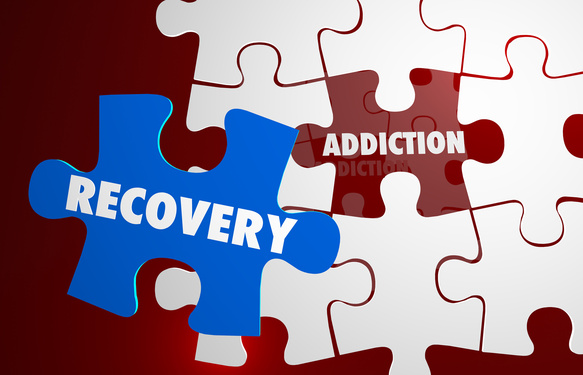
This is why our team at Progress House has teamed with Aspire Indiana Health to develop our revolutionary residential treatment program called the Whole Health Recovery Continuum (WHRC). With this approach, all of the pieces of the recovery puzzle are in one, central space. Patients don't have to seek them out and assemble them on their own.
When patients enroll in the WHRC, they're getting more than a highly effective recovery program. They're also getting a safe and stable place to live while they undergo treatment. Let's take a look at how it works.
Entering the Continuum
As its name implies, the WHRC is a continuous, flowing journey. There's no one-size-fits-all starting point at which all patients will begin. Rather, they may enter the process at a number of different points.
Some may require a high-intensity treatment center, such as the Mockingbird Hill Recovery Center in Anderson. This allows them to work through the hardest stages of their addiction before entering a recovery residence, such as Progress House in Indianapolis. From behavioral health therapy to medical care, they'll have access to services that help them understand and move beyond the root of their addictions.
Others will move straight into the Progress House, where they'll have access to daily support from their peers, as well as treatment sessions designed to equip them for life on their own. In these sessions, they'll learn the skills required to break free from the chains of addiction and reclaim their quality of life.
From there, our Next Steps housing program is designed as a series of semi-independent recovery homes. This allows recovering addicts to live in a safe and supportive environment as they take their first steps back into the real world and learn how to manage their day-to-day lives, addiction-free.
Some patients will progress incrementally through the Continuum. This means they'll start at a high-intensity treatment facility, move into a recovery residence, and ultimately transition into a semi-independent recovery community. Yet, this isn't always the case.
Others may start at one point and leave at that same point. There isn't a designated pathway that everyone is required to follow. We understand that addiction is a personal, individual journey and each patient's path will be different.
Access to Comprehensive Help
While there might be a few different ways to join the WHRC, all patients will receive access to the critical, comprehensive help required to move from one recovery phase to the next. Some of the services we provide include:
- Primary medical care: On-site health clinics, access to nurses and physicians
- Residential treatment: Individual/group therapy, withdrawal management, psychosocial support
- Medication-Assisted Treatment (MAT): Medication specifically formulated for opioid addiction
- Behavioral health therapy: Individual/group therapy with access to psychologist/psychiatrist support
- Peer support groups: Guidance from peers working through their own addictions, including 12-step programs
- Academic and professional training: Resources to promote school completion, employment
- Case management support: Customized treatment plans for each resident
- Recovery housing assistance: Safe, supportive living environments to facilitate long-term recovery
No matter where someone begins or ends their WHRC journey, the goal is always the same. We're here to help patients struggling with a substance abuse disorder reach a stage of long-term, continued recovery. Our program is designed to give individuals the support, knowledge, and resources they need to release the hold their addiction has on them and live happy, successful lives.
Recovering From Addiction, One Step at a Time
While the process doesn't look the same for everyone, most follow the same general path when recovering from addiction. If someone you love is struggling to overcome a substance abuse disorder, we're here to help.
A core part of the WHRC, Progress House is a structured, sober living environment designed for men. Consisting of a structured, three-phase behavioral health and a long-term residential treatment program, it provides holistic healing for the mind, body, and soul.
When you're ready, you can access our residency application online. We're in this together and no one has to go through it alone.